
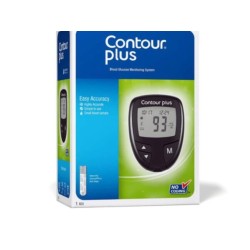
Contour Plus Meter Glucometer — available at DiabetesStore.com.bd
Bangladesh's winter is mild compared to many countries, but those cooler mornings — roughly November through February — can still make it very tempting to stay wrapped under a blanket and skip the morning walk. For people managing diabetes, that temptation is worth gently resisting. Keeping your body moving during the cool season supports steadier blood sugar, better circulation, and a lighter mood. The good news? You do not need a gym or fancy equipment. This guide shares practical, safe ways to stay active right through winter, whether you are stepping outside or staying in your living room.
Why Staying Active in Winter Matters for People with Diabetes
How Cooler Weather Affects Blood Sugar
Cold air can cause the body to work a little harder to keep warm, and that extra effort can sometimes influence how blood sugar behaves. Some people notice their readings run slightly higher in cool weather, while others find the opposite. Every person is different. What is consistent is that regular movement helps the body use blood sugar more efficiently — and that benefit applies in every season, including winter.
Why Activity Tends to Drop in Bangladesh's Winter Months
In Dhaka, Chittagong, Sylhet, and across rural Bangladesh, the cool-season fog and chill in the early morning can keep people indoors. Festivals, family gatherings, and heavier seasonal foods are also common at this time of year. All of these factors together mean many people move less in winter without even realising it. Being aware of this pattern is the first step to working around it.
Safe Outdoor Activity in Bangladesh's Cool Season
Morning Walks — Timing and What to Watch For
A daily walk remains one of the most friendly forms of exercise for people with diabetes. In winter, consider shifting your walk slightly later in the morning — around 8 or 9 AM — when the fog has cleared and the air is a little warmer. Even a 20–30 minute walk at a comfortable pace, five days a week, makes a meaningful difference over time.
A few simple things to keep in mind during outdoor walks in winter:
- Check your blood sugar before heading out, especially if you take medication that can cause low blood sugar. Carry a small snack just in case.
- Walk on a familiar, even surface when possible. Cool, damp footpaths can be slippery.
- Tell a family member where you are going and roughly when you will return.
Dressing Smartly for Cool Mornings
Bangladesh winters rarely reach extreme cold, but a light jacket, a scarf, and warm socks make a real difference in comfort. Keeping your feet warm is especially important if you have any reduced sensation in your feet (peripheral neuropathy). Cold feet may not give you the usual warning signals of discomfort, so check your feet before and after activity. Look for well-fitted, cushioned footwear — diabetic footwear designed to protect sensitive feet is a worthwhile investment for outdoor activity.
Easy Indoor Exercises You Can Do at Home
On mornings that are too foggy, too cold, or simply too busy, indoor movement is a great alternative. You do not need equipment or much space.
Chair-Based Movements for All Fitness Levels
Chair exercises are gentle, low-impact, and suitable for people of varying fitness levels, including older adults or those with joint concerns:
- Seated leg lifts: Sit up straight, lift one leg at a time and hold for a few seconds. Repeat 10 times per leg.
- Ankle circles: Rotate each ankle slowly in both directions. This helps circulation in the lower legs and feet.
- Seated marching: Lift alternate knees as if marching on the spot, arms swinging gently. Try one minute to start.
- Chair stands: Slowly stand up from a chair and sit back down without using your hands. Five to ten repetitions is a solid start.
Light Stretching and Yoga-Style Movements
Simple stretching improves flexibility and helps reduce muscle stiffness that can build up in cooler weather. You do not need to follow a formal yoga programme. Try these basic movements:
- Standing calf raises: Hold the back of a chair, rise onto your toes, and lower slowly. Ten to fifteen repetitions.
- Shoulder rolls and neck stretches: Great for releasing tension if you sit for long periods.
- Seated forward bend: Seated on the floor with legs outstretched, gently reach toward your toes. Hold for 15–20 seconds.
Even 10–15 minutes of gentle stretching each morning is a meaningful contribution to your daily activity.
Stair Climbing and Household Activity Counts Too
If you live in a multi-storey building, going up and down the stairs a few extra times each day is genuine exercise. Household chores — sweeping, mopping, carrying groceries — also count as physical activity. The key is to keep moving throughout the day rather than sitting for long, unbroken stretches. Setting a gentle reminder on your phone to stand up and move for a few minutes every hour is a simple but effective habit.
Checking Your Blood Sugar Around Exercise
Monitoring your blood sugar around physical activity is an important part of exercising safely with diabetes. A reliable glucometer and an adequate supply of glucose test strips make this straightforward to do at home.
Before You Start
If your blood sugar is very low before exercise, have a small snack and wait until it rises before starting. If it is very high, gentle activity may sometimes help, but check with your doctor about what level is safe for you to exercise. Your healthcare provider can give you personalised guidance on this.
After You Finish
Blood sugar can continue to change for some time after exercise ends. Checking your level again after your workout gives you useful information about how your body responds. Over time, you will start to notice your own patterns, which helps you and your doctor make better decisions about your care routine.
Keeping Your Feet Safe During Winter Workouts
Foot care during exercise deserves its own mention. People with diabetes are advised to check their feet daily, and winter adds a few extra reasons to be careful:
- Cold, dry air can make skin on the feet crack or dry out more quickly.
- Reduced sensation means injuries may go unnoticed if you are not looking.
- Wearing socks inside the house during exercise prevents scrapes or cuts from uneven flooring.
Always wear clean, well-fitted socks during any indoor exercise. Check the soles of your feet before and after activity. If you notice any redness, cuts, or swelling, speak to your doctor promptly.
Building a Simple Weekly Routine
A routine does not have to be complicated to be effective. Here is a gentle sample structure you could adapt to your own schedule:
- Monday, Wednesday, Friday: 20–30 minute morning walk (or indoor alternative on foggy days)
- Tuesday, Thursday: 15 minutes of chair exercises or light stretching at home
- Saturday: A slightly longer, leisurely walk with a family member or friend
- Sunday: Rest, gentle household movement, and a quick blood sugar check
The goal is consistency, not intensity. Even three or four active days per week is far better than none. As your fitness improves, you can gradually extend the duration or add new movements — but always at a pace that feels comfortable.
Staying Motivated Through the Cold Months
Motivation can dip when mornings are chilly. A few things that help:
- Exercise with a partner. A neighbour, spouse, or friend who joins you for a walk makes it much easier to show up each day.
- Connect movement to something enjoyable. Listen to a favourite radio programme or podcast while doing indoor exercises.
- Track your progress simply. A small notebook where you record each day you moved — even for just 10 minutes — builds a satisfying record over time.
- Celebrate small wins. Completing a week of daily movement is genuinely worth acknowledging.
Winter in Bangladesh is short. The warmth of spring arrives quickly. Keeping your activity going through these cooler months means you will enter the rest of the year with strong habits already in place.
Disclaimer: This article is for general information purposes only and does not constitute medical advice. Every person's health situation is different. Please consult your doctor, diabetes care specialist, or pharmacist before making changes to your exercise routine or diabetes management plan.
]]>